
Part of Historic Environment Scotland

Energy Efficiency for Older and Traditional Buildings

Gain a National Open College Network Level 3 qualification in energy efficiency for older and traditional buildings.

Duration

30 hours, including 21 guided learning hours at the Engine Shed over three days

Cost

Full week:

£595, including NOCN enrolment and exam fee

You may be eligible for a £240 Short Qualification Grant from the Construction Industry Training Board.

2027 courses

Three days from Tuesday 16 to Thursday 18 February 2027, 9am to 4.45pm

Book tickets (February)

Three days from Monday 24 to Wednesday 26 May 2027, 9am to 4.45pm

Book tickets (May)

As demand grows for retrofit skills in older and traditional buildings, understanding how to improve energy efficiency while managing risks has never been more important. This three-day accredited National Open College Network (NOCN) Level 3 course will help you identify suitable energy efficiency measures, assess their appropriateness, and develop practical recommendations for their application in traditional buildings.

Why choose this course? 

This course is delivered by Historic Environment Scotland experts, who have lead the way by demonstrating the best practice in the retrofit of traditional buildings over the past decade through research, practical projects, technical guidance and training delivery.

It combines three modules, and after the course, you'll be able to:

  • recognise the age, nature, and characteristics of older and traditional buildings,
  • evaluate the appropriate options for introducing energy efficiency measures to older and traditional buildings
  • make recommendations and give advice on introducing energy efficiency measures to older and traditional buildings

Through the programme, you'll work towards a recognised qualification in energy efficiency (NOCN Level 3 Award).

About the course

The total learning time for this qualification is 30 hours, with 21 guided learning hours. The combination of pre-course reading along with the three-day course and one-hour remote exam should achieve the required total learning time. Please read the NOCN Course Specifications for more information.

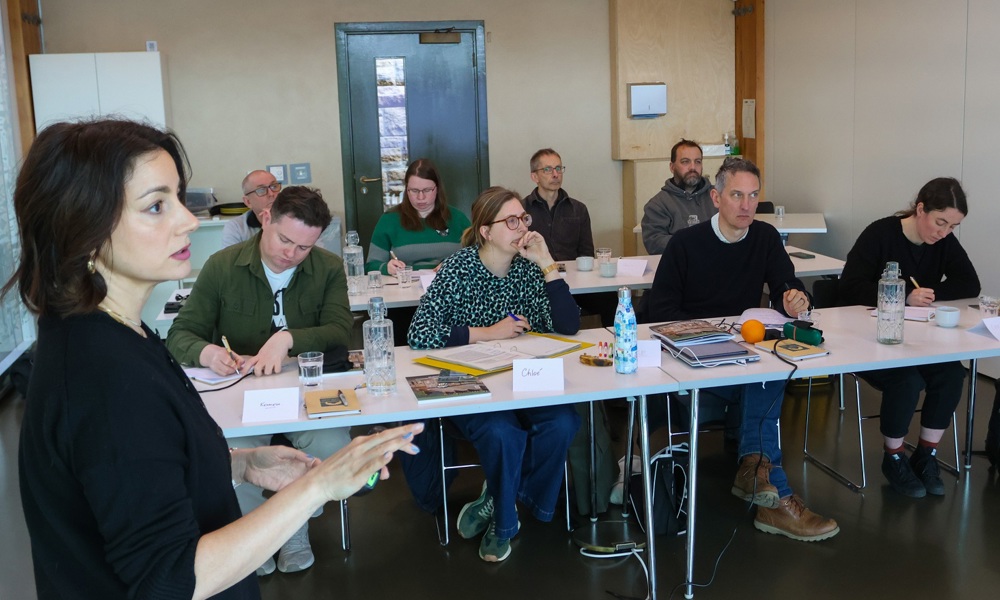
The course will last three full days and you must attend all classes at the Engine Shed. The programme will be sent to candidates ahead of the course delivery. 

Who is this course for?

This course is designed for anyone aged 18 and over who already has a background in the construction sector and are working or going to work on energy retrofit of traditional buildings.

To take part in the course, you must demonstrate proof of the above minimum requirement. Your application will be assessed by our course assessors to assure your suitability for the course. 

You will also need access to a personal computer for the assessment on an agreed day after the course.

Once you've booked a place

Once you’ve booked your place on the course, we'll issue you with an application form. You must complete and return this to us, along with a copy of your current CV, within the allocated deadline.

We will use these documents to assess whether you meet the course entry requirements. We will retain all required documents on our system for quality assurance audits by the awarding body, NOCN.

If you don't meet the entry requirements, we will withdraw your application and issue you a full refund.

Withdrawing from the course

If you decide to withdraw from the course up to two weeks prior to the course start for any other reason than not meeting the entry requirements, we will issue a refund minus the Eventbrite registration fee (£49).

If you decide to withdraw from the course within two weeks prior to the course start, we will issue a refund minus £85 which covers the Eventbrite registration fee (£49) and the NOCN registration fee (£36).

What you'll learn

Unit 1

Recognising the age, nature and characteristics of older and traditional buildings

Unit 1 Learning Outcomes

By the end of Unit 1, you will:

1. Be able to establish the age of a building, to identify a building of traditional construction and to understand the implications for the introduction of energy efficiency measures.
2. Be able to identify the heritage and significance of a building.
3. Be able to explain how conservation principles are applied to older and traditional buildings.
4. Be able to identify the construction of older and traditional buildings, their performance and the materials used.
5. Be able to identify the types of heating and ventilation systems in the building and the implications these have on the introduction of energy efficiency measures.
6. Be able to explain the implications of common building defects for energy efficiency measures.
7. Be able to refer to a specialist or recommend further analysis or investigation when required.

Unit 2

Evaluate the options for introducing energy efficiency measures to older and traditional buildings

Unit 2 Learning Outcomes

By the end of Unit 2, you will:

1. Be able to identify the range of energy efficiency measures relevant to older and traditional buildings.
2. Be able to assess the implications of the existing building condition and defects and how the repairs affect the choice of energy efficiency measures.
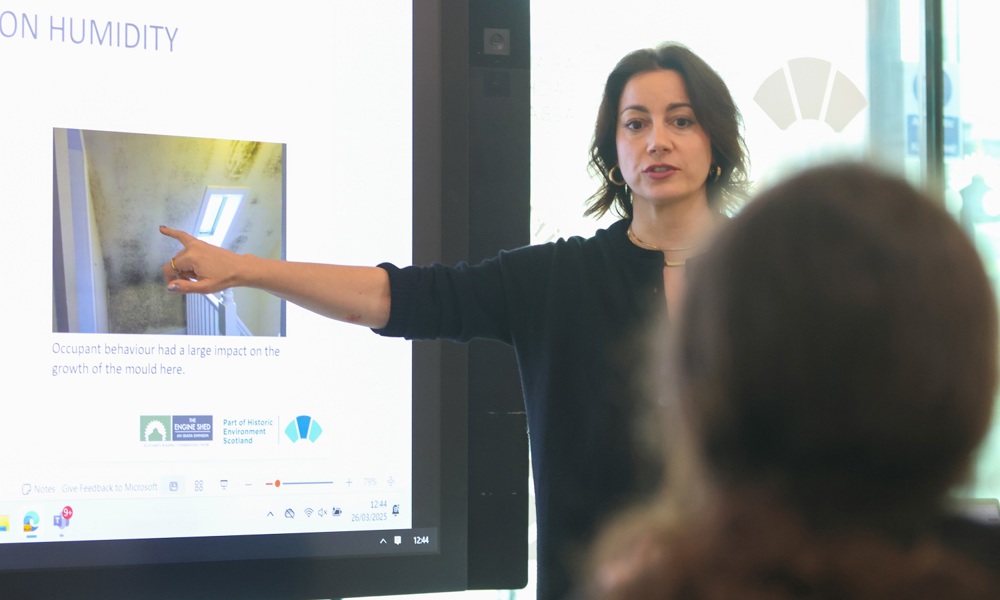
3. Be able to assess the implications of occupant behaviour for proposed energy efficiency measures.
4. Be able to assess the implications of the relevant legal and regulatory requirements.
5. Be able to assess the technical risks associated with the energy efficiency measures and how to mitigate the risks.
6. Be able to explain Energy Performance Certificates and their limitations and the impact of using default U-values and identify alternative sources of U-values.
7. Be able to evaluate the options for the introduction of energy efficiency measures to older and traditional buildings.

Unit 3

Make recommendations and provide advice on the introduction of energy efficiency measures to older and traditional buildings

Unit 3 Learning Outcomes

By the end of Unit 3, you will:

1. Be able to make recommendations and give advice on introducing energy efficiency measures to older and traditional buildings.
2. Be able to review a range of information sources and refine the proposed energy efficiency measures for older and traditional buildings.
3. Be able to prepare reports and plans including recommendations and providing advice on the introduction of energy efficiency measures for older and traditional buildings.
4. Be able to describe the implications of the relevant legal and regulatory requirements for the installation of energy efficiency measures in older and traditional buildings.
5. Be able to justify the recommended energy efficiency measures.
6. Be able to explain the requirements for the delivery of energy efficiency measures in a retrofit project.

Book tickets for our next course in February 2027.

Tutors

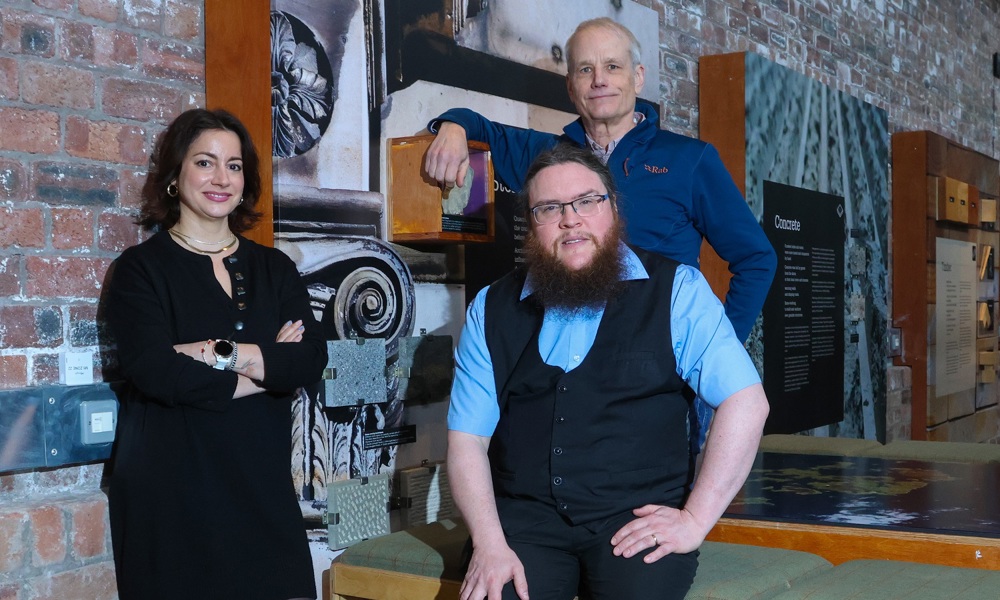
  • Yasser Battikha: Yasser Battikha is the Retrofit Skills and Innovation Manager at Historic Environment Scotland (HES). He previously worked as an Energy Retrofit Specialist at Edinburgh World Heritage Trust, where he led several retrofit projects focused on traditional windows, doors, and rainwater goods. He also contributed to a study on the typology of traditional buildings in Edinburgh’s World Heritage Site and co-authored a guide for homeowners on retrofitting historic windows. Earlier, he worked with HES as a Technical Conservation and Research Trainee, supporting projects such as the Energy Pathfinder and HES’s events at COP26, and providing technical advice on conservation-related topics. He holds a Master’s degree in Architectural Conservation from the University of Edinburgh and a B.Sc. in Architectural Engineering from Damascus University. Over the years, Yasser has developed experience in managing conservation projects, teaching and research, and architectural design, with a focus on the historic built environment.
  • Lila Angelaka: Lila is a Senior Technical Officer in Historic Environment Scotland’s Technical Conservation (Retrofit & Fabric First) team. She holds a degree in Architectural Engineering in Building Conservation and Restoration, and a MSc in Architectural Conservation from the University of Edinburgh. She has worked in various conservation accredited architectural practices and heritage organisations, before joining HES in 2013 as a Historic Buildings Adviser in the Planning, Consents and Advice Service. In her current role, she is involved in energy efficiency retrofit projects, she is a writer and editor for a number of HES’s technical publications and blogs, and provides technical advice internally and externally on various technical subjects, including retrofit, climate change adaptation and fire safety.