
Part of Historic Environment Scotland

Introduction to Building Conservation Week

Through a series of lectures and site visits over five days, explore the conservation of the Scottish built environment and traditional building skills.

Dates

Monday 1 - Friday 5 June 2026

Cost

Full week:

£495

Per day (pick your day/s):

£110

Buy an early bird ticket for £475 until 31 March 2026. 10% discount for Historic Scotland members using the code HSMember
Book tickets

Secure your place on our Eventbrite page

Buy tickets

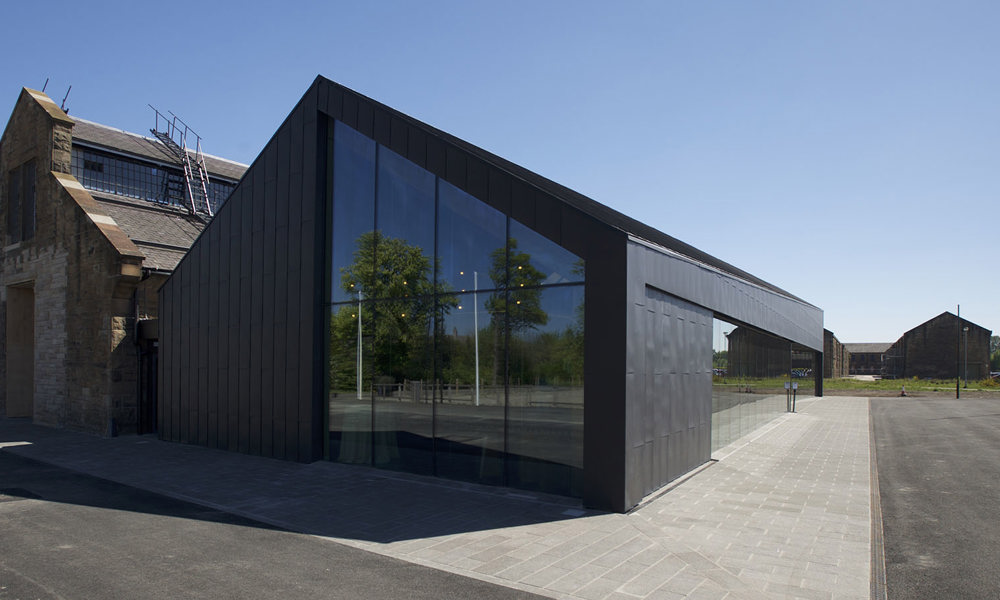
Join us for a 5-day intensive course delivered by Historic Environment Scotland conservation professionals at the Engine Shed in Stirling.

Through a series of lectures, activities and site visits, this series of informative and enjoyable days will explore the traditional building skills and materials used in conservation and repair projects throughout the Scottish built environment.

Highlights

  • explore the best approaches to conserving/repairing traditional buildings
  • discover how and why Scotland was built from stone, lime, slate and lead
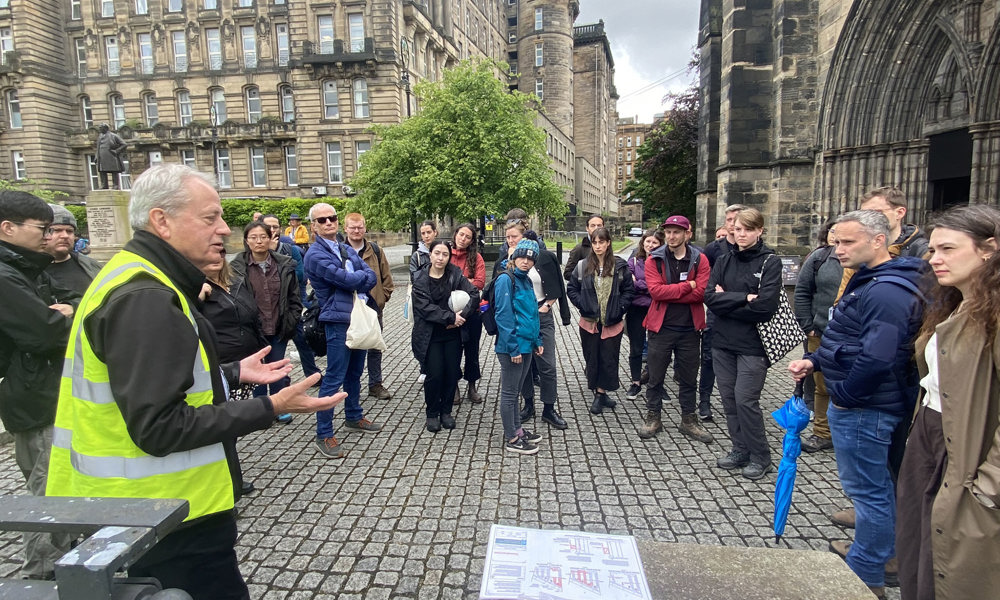
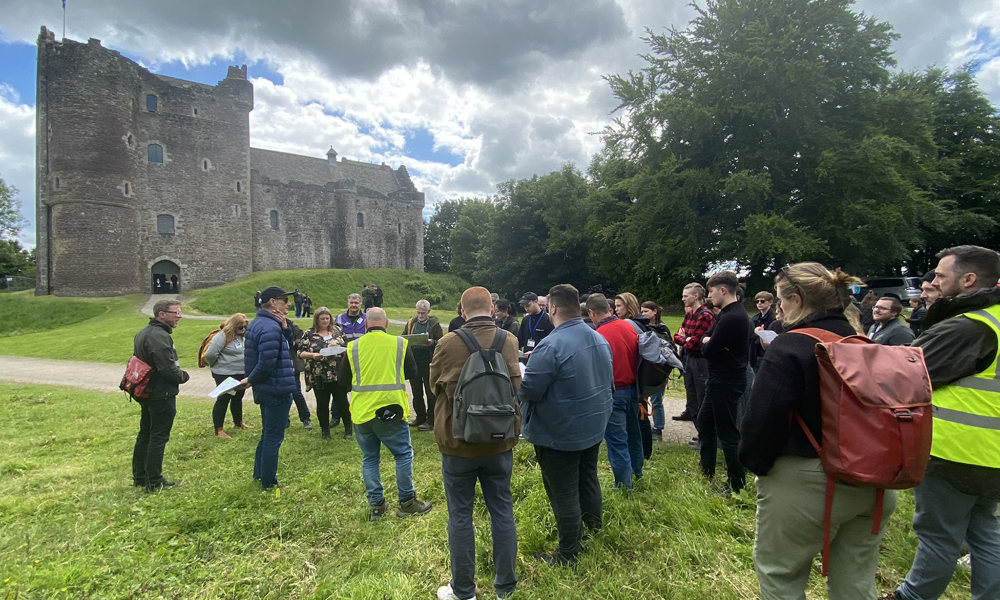
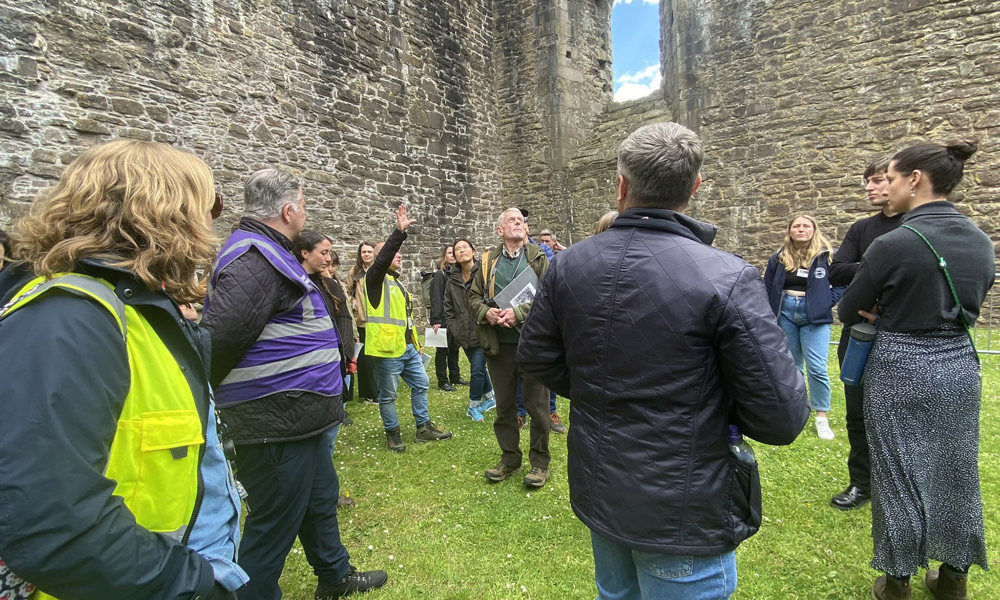
  • see pioneering conservation projects first-hand on guided field trips including expert-led curated tours of Stirling Old Town, Doune Castle, Glasgow Cathedral and Glasgow Necropolis
  • enjoy over a dozen lectures from leading experts on traditional skills
  • discover the effects of climate change on our heritage
  • learn what it takes to maintain Scotland's ancient and historic castles

Funded places

Bursaries may be available to those who have completed their third year of study or are a recent graduate of a building related subject such as architecture, surveying, engineering or planning, and/or those who can demonstrate a passion to develop a career in conservation.

To apply, please send your CV and a covering letter stating why you'd like to do this course and what you hope to gain by attending by 9am Tuesday 7 April 2026 to technicaleducation@hes.scot 

We will contact successful applicants by Friday 15 May 2026.

Daily programme of events

Discover the programme of lectures, activities and site visits.

Day 1

History of Building Conservation

Monday 1 June 2026

9.00am - 5pm

Join us to explore the strategies and philosophies governing architectural conservation in Scotland, and the best approaches for tackling repair projects.

We will examine the nature and function of traditional Scottish building materials, outlining how international standards of good conservation practice can be applied to offset or adapt to the impact of climate change on our historic built environment.

After lunch, we will enjoy a walking tour around the Old Town of Stirling, where our team will identify and discuss a range of conservation, repair and maintenance issues as well as potential solutions.

Learning Outcomes

You will:

* learn how the materials, design and construction of traditional Scottish buildings affect function and performance over time

* understand the development of international conservation principles and ethics and how these inform and justify decisions affecting repairs, alterations and maintenance 3

* learn how to place a building, site or area within the historical development of Scottish architecture, townscape and construction technology

* understand how key issues, including dramatic changes to climate and economy, are impacting Scotland’s traditional built environment and how these are being addressed

* understand how key issues, including dramatic changes to climate and economy, are impacting Scotland’s traditional built environment and how these are being addressed

Day 2

Conservation Building Blocks in a Changing Climate

Tuesday 2 June 2026

9.00am - 5pm

Since the medieval period, Scotland’s historic environment was typically built using a limited palette of materials to provide shelter – stone and lime for the walls, and slate and lead for the roof.

We will introduce you to the use of sandstone and lime in creating Scotland’s traditional buildings and discuss current best practice in repair and conservation.

You will then hear an overview of how natural slate and lead sheet were exploited to keep the weather out of our traditional buildings, and how characteristic Scottish roofs should be maintained and repaired.

After lunch, we will discuss climate change, carbon mitigation, adaptation and the basic principles of making traditional Scottish buildings more energy efficient.

We will explore climate change policy, explore theoretical and practical solutions that are making a difference, and discuss how we can protect Scotland's assets for the future by adapting our buildings as well as our behaviour.

Following talks on the impacts of a changing climate on our built heritage, and how adaptation would help mitigate the worst effects, we will then concentrate on the practical aspects of installing a range of retrofit techniques into traditional buildings and so maximising energy efficiency whilst minimising the impact on their appearance or cultural significance.

Learning Outcomes

You will:

* understand the basic principles and techniques underpinning best practice in stone repair and conservation in Scotland

* understand the basic principles and techniques of processing lime for traditional building purposes

* learn how centuries of limeworking in Scotland has informed current best practice in repair and conservation

* learn how a range of materials were used to roof Scotland’s historic buildings over the past three centuries and how these roofs can and should be repaired today

* understand the emerging threats to Scotland’s historic built environment stemming from increased rainfall, increasing temperatures, and rising sea levels

* learn how Historic Environment Scotland (and Scotland as a whole) aims to combat the immediate effects of climate change at both policy and practical levels

* identify the most immediate and damaging ways Scotland’s traditional buildings are affected by a changing climate and the best measures to be taken to address this challenge

* understand the broader aspects of best practice in energy efficiency as it applies to retrofitting Scotland’s traditional buildings

* recognise how retrofitting traditional buildings to meet current standards should be undertaken in a holistic manner to achieve maximum performance

* learn how to compare retrofit materials, technologies and procedures to choose appropriate applications in different contexts

Day 3

Conserving the City - Glasgow

Wednesday 3 June 2026

9.00am - 5pm

We will travel to Glasgow to enjoy a range of guided tours of some of its key heritage sites. Our first stop will be the enigmatic Necropolis – the “City of the Dead” – to inspect the many grand and grandiose tombs and mausoleums constructed by Victorian Glasgow’s mercantile elite. We’ll hear about memorial conservation and how a near-derelict site has become one of the city’s most popular tourist attractions.

After lunch, we’ll visit the 13th-century Glasgow Cathedral, where we will hear about the current stone repairs to the steeple as well as the many projects undertaken by Historic Environment Scotland stonemasons over the past twenty-five years. We will then have the opportunity to view the external repairs from the scaffolding currently built around the steeple, before touring the churchyard to focus on the conservation of the memorials there.

Learning Outcomes

You will:

* learn about the practicalities of undertaking large and complex conservation and repair projects to major public landmarks whilst retaining public access

* understand the challenges in addressing sensitive conservation issues affecting the public perceptions of a much-loved local landmark

* hear how long-term planning for conservation repair projects can underpin their eventual success despite persistent funding issues

Day 4

Conserving the Castle

Thursday 4 June 2026

9.00am - 5pm

Scotland is renowned for its many picturesque yet formidable castles, but few people realise what it takes to maintain these ancient structures, to inspect the fabric and assess risks, and keep the sites safe for public access. Today’s sessions will concentrate on what it takes to “conserve the castle”, beginning with talks from Historic Environment Scotland staff responsible for the on-going High-Level Masonry survey project.

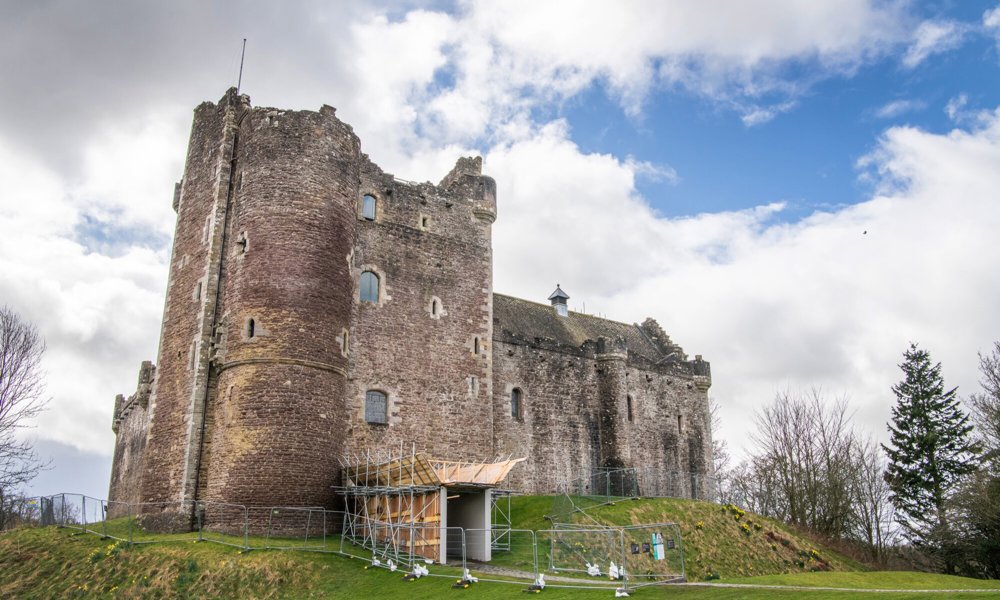
The broad scope and detailed planning behind the HLM project will be explored, along with a review of the findings of the surveys undertaken to date. The third talk of the morning will shift the focus to Doune Castle and the works under way to repair the high level masonry, improve resilience to climate change and manage the impact of increasing visitor numbers.

After a networking lunch at the Engine Shed, we will continue the discussions on castle conservation and responsible tourism as we explore Doune Castle and see the conservation works under way.

Learning Outcomes

You will:

* learn about the challenges of undertaking fabric inspections of large and complex medieval structures

* understand how ancient masonry decays over time and the range of stone conservation issues affecting the integrity of and access to these monuments

* hear how long-term planning for improving access must take into account the impact of visitor numbers, the cultural significance of a site, and the fragility of historic building fabric

* understand how responsible tourism initiatives must complement broader aspects of sustainability and climate change policy

Day 5

Conservation on Site

Friday 5 June 2026

9.00am - 5pm

We will visit Bannockburn House in the morning for a technical tour of this remarkable late 17th-century mansion to observe conservation techniques in practice. We will learn about the incredible work being undertaken to save the house and the challenges of doing so. After lunch back at the Engine Shed, we will reflect on our visit in a workshop with one of

Bannockburn House Trustees, encouraging us to think about some of the conservation dilemmas facing them during the restoration process.

Learning Outcomes

You will:

* learn about the practicalities of undertaking a conservation and repair project as part of a community buyout

* understand some of the challenges which can arise in assessing conservation issues onsite

Who should attend?

  • graduates, heritage professionals and building practitioners from all disciplines interested in developing their knowledge and practice in traditional buildings
  • anyone responsible for a traditional building or with an interest in the broader aspects of building conservation in Scotland